
Gas Line Repair vs Repiping: What Factors Can Influence the Recommendation?
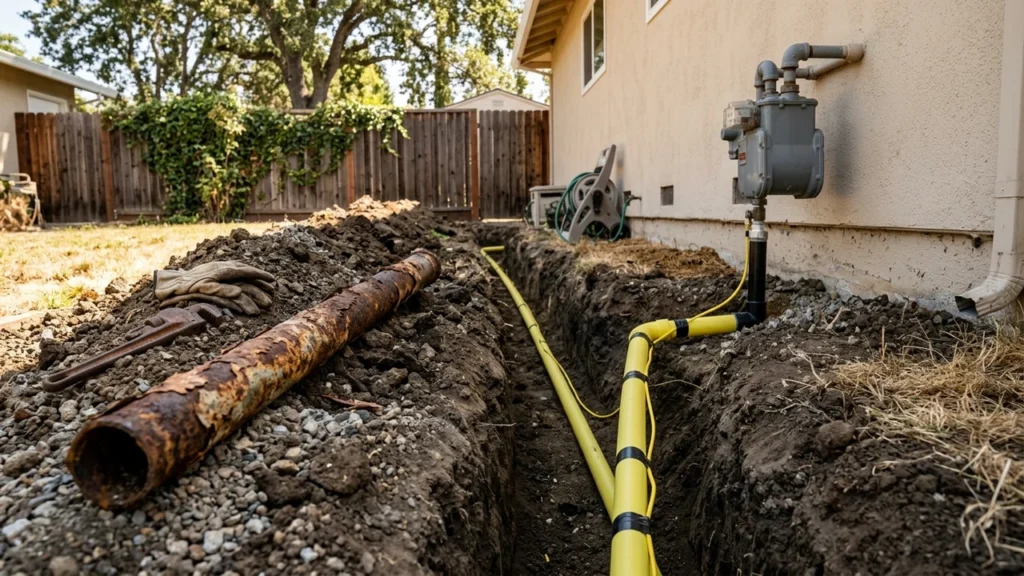
When a professional pressure test or electronic leak inspection reveals a defect in your property’s natural gas piping in Pittsburg, CA, the immediate priority is shutting off the compromised zone to protect the building and its occupants. Once the immediate hazard is isolated, however, property owners face a major technical and financial decision: gas line […]
Why Professional Gas Leak Inspection Matters When a Gas Problem Is Suspected
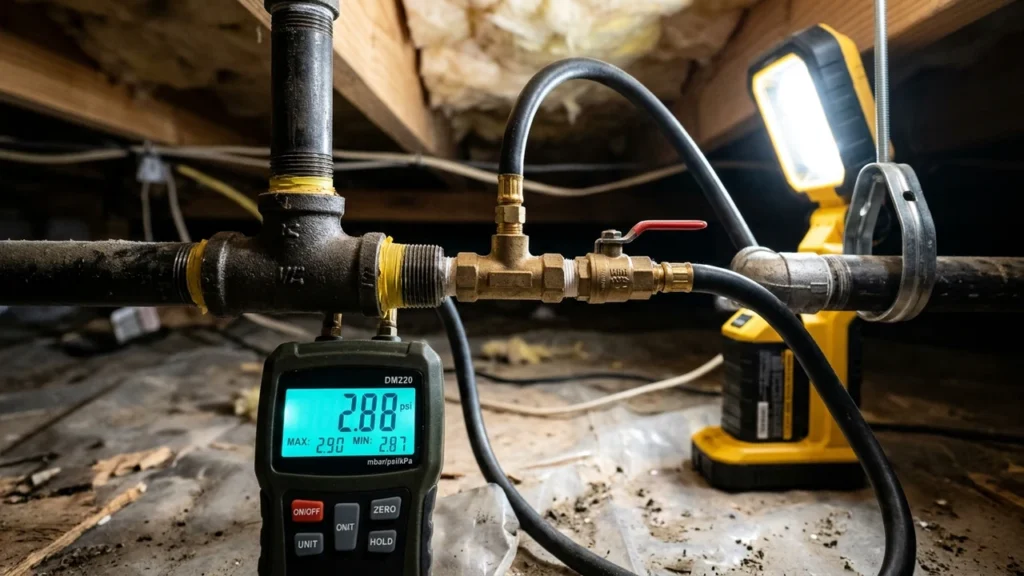
When a homeowner or commercial property manager in Pittsburg, CA suspects a natural gas problem – whether triggered by a faint sulfur odor near an appliance, a sudden jump in monthly PG&E therm usage, or an aging black iron pipe showing heavy surface rust – guesswork is never an acceptable strategy. Because natural gas piping […]
What Are the Warning Signs of a Gas Line Problem?
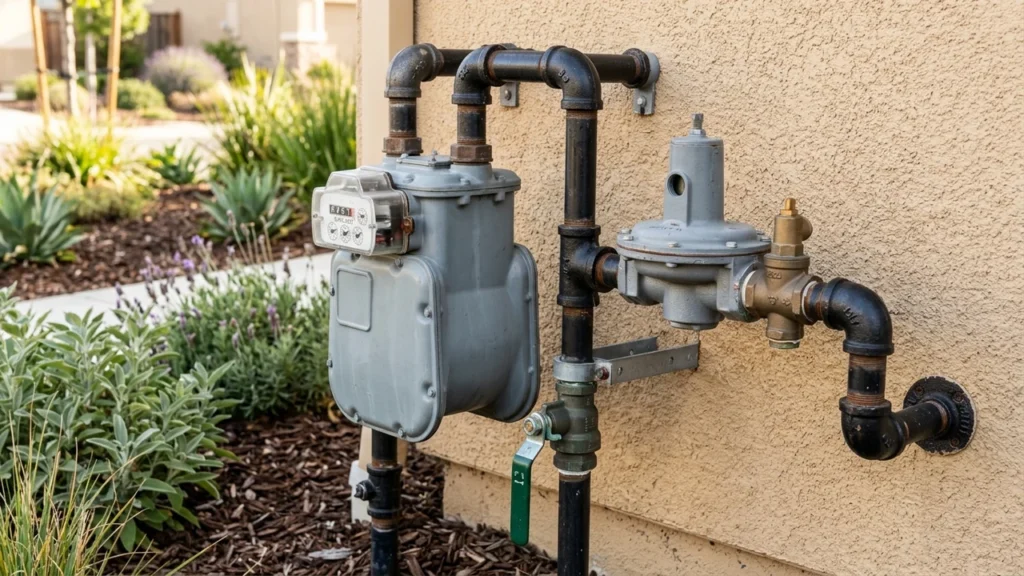
Natural gas is one of the safest, most efficient energy sources powering water heaters, furnaces, kitchen ranges, and outdoor appliances across Pittsburg, CA and East Contra Costa County. Because residential natural gas piping operates silently behind drywall, beneath concrete slabs, and through crawlspaces, homeowners rarely think about their gas distribution network until a component fails. […]
What Happens During a Professional Sewer Line Evaluation?
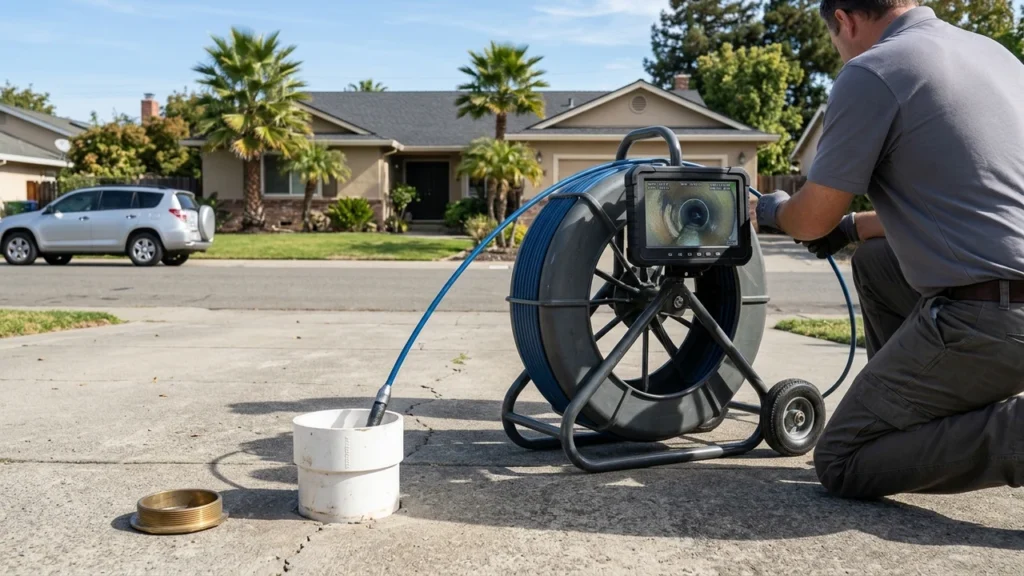
For most homeowners in Pittsburg, California, underground sewer pipes remain completely out of mind until wastewater begins backing up into shower basins or foul odors drift across the front lawn. Because residential sewer lateral lines lie buried three to eight feet beneath driveways, walkways, and mature landscaping, diagnosing underground drainage failures requires specialized diagnostic engineering […]
How Tree Roots Can Affect Sewer Lines and Drainage Systems
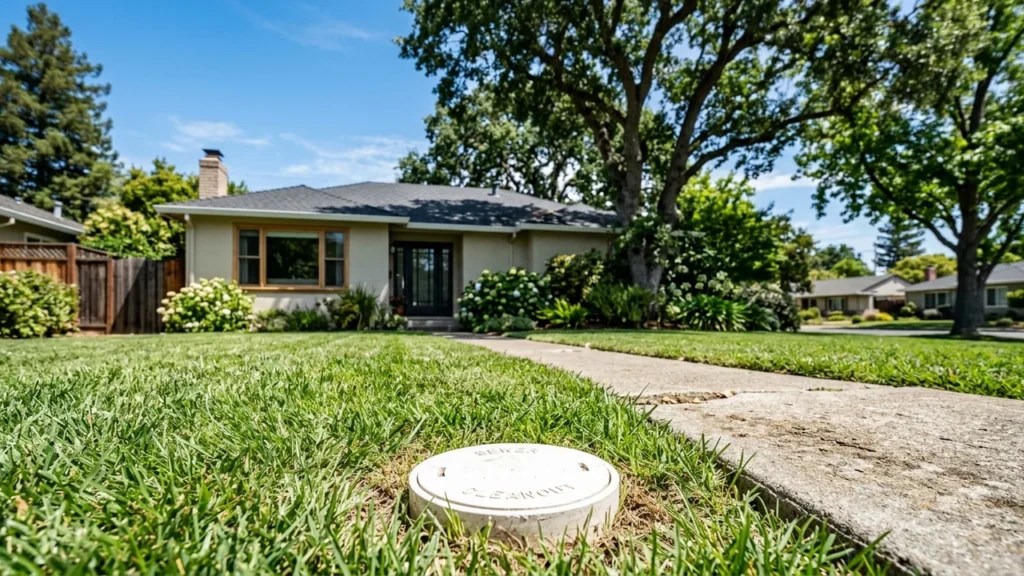
Tree roots enter sewer lines through tiny cracks, loose joints, and old pipe gaps. They are drawn to the warm water and nutrients inside. Once inside, roots grow into thick clumps that block flow, cause slow drains, and crack pipes. Fixing the problem usually means hydro jetting, cutting the roots, or replacing the damaged line. […]
Sewer Line Repair vs Replacement: What Factors Determine the Better Option?
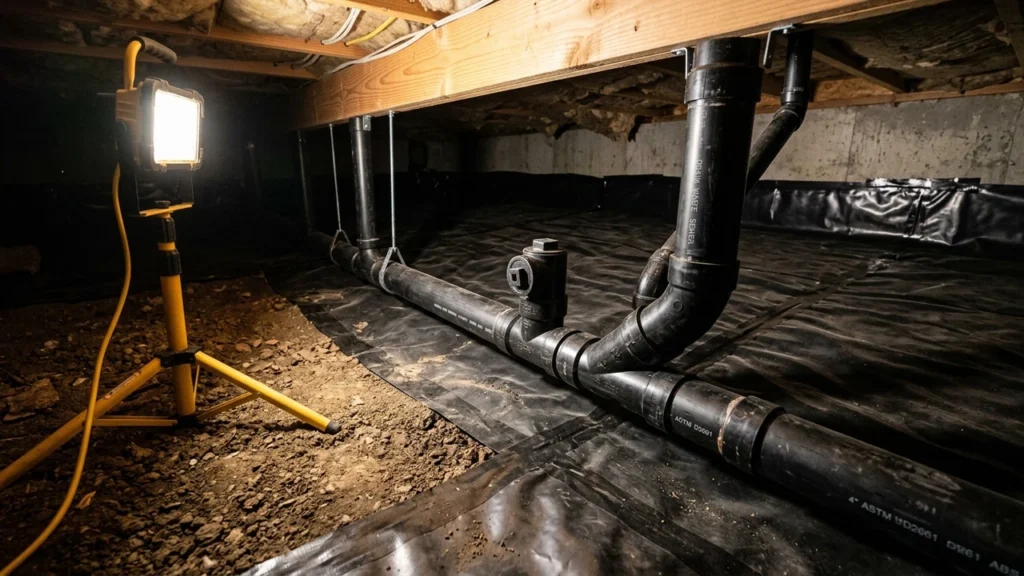
Sewer line repair fixes one damaged section of pipe, often with trenchless methods and little digging. Sewer replacement swaps the whole line when pipes are old or badly broken. The better option depends on the pipe’s age, the amount of damage, and how much of the sewer line is affected. Here’s the thing. A slow […]
What Causes Repeated Sewer Line Backups? Common Problems Professionals Look For
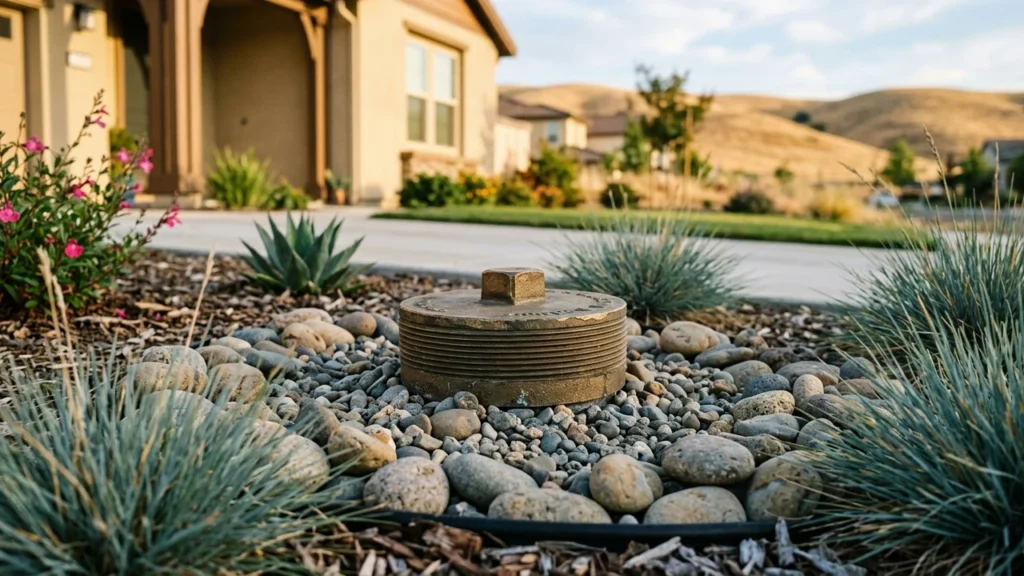
Experiencing a sewer line backup is one of the most disruptive and unsanitary emergencies a homeowner can face. When raw sewage or wastewater bubbles up through downstairs floor drains, bathtubs, or toilets, the immediate instinct is to clear the immediate stoppage with a mechanical snake or chemical drain cleaner. However, when backups happen repeatedly – […]
Hydro Jetting vs Traditional Sewer Cleaning: Which Approach Fits the Problem?
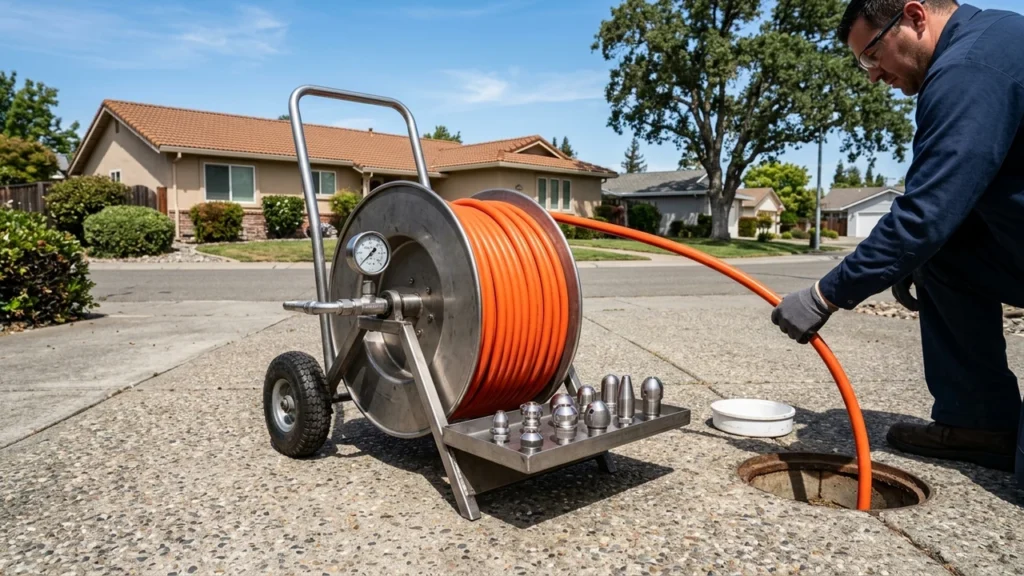
When a residential or commercial wastewater lateral line suffers a severe backup in Pittsburg, CA, property owners face a fundamental diagnostic decision: deploy a traditional mechanical drain snake or execute high-pressure hydro jetting. While both methodologies serve the broad discipline of sewer line restoration, their mechanical operating principles, hydraulic forces, and long-term descaling efficacy differ […]
When Should a Sewer Camera Inspection Be Considered Before Sewer Line Repair?
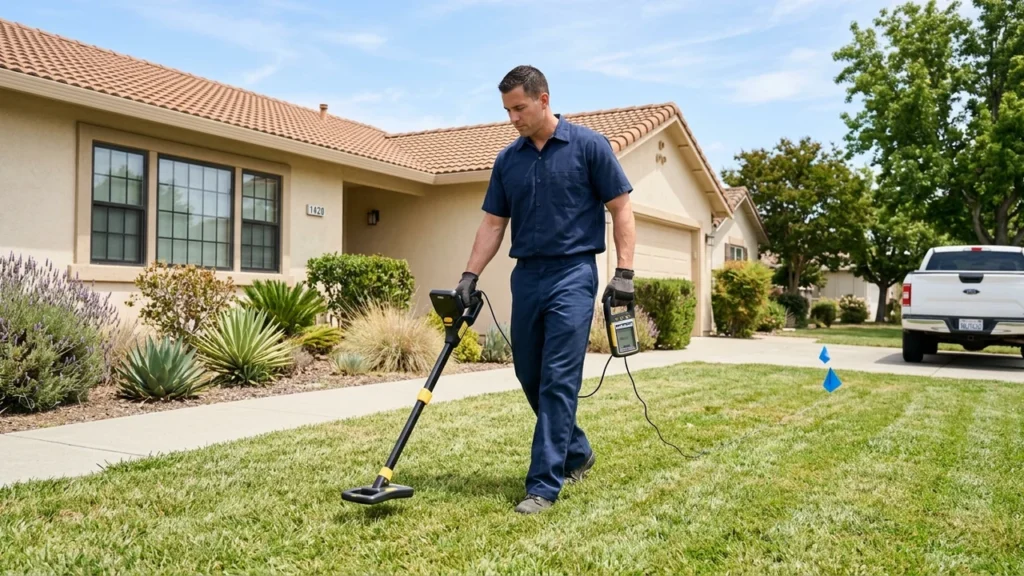
Your sink drains slow. The toilet makes a gurgle. And now a plumber wants to dig up your yard today. Hold on for one minute. Before anyone starts a sewer line repair, you should see what is really happening inside that pipe. A simple sewer camera inspection shows the true problem, so you pay for […]
Sewer Camera Inspection: What Can a Professional Inspection Reveal in Pittsburg, CA?
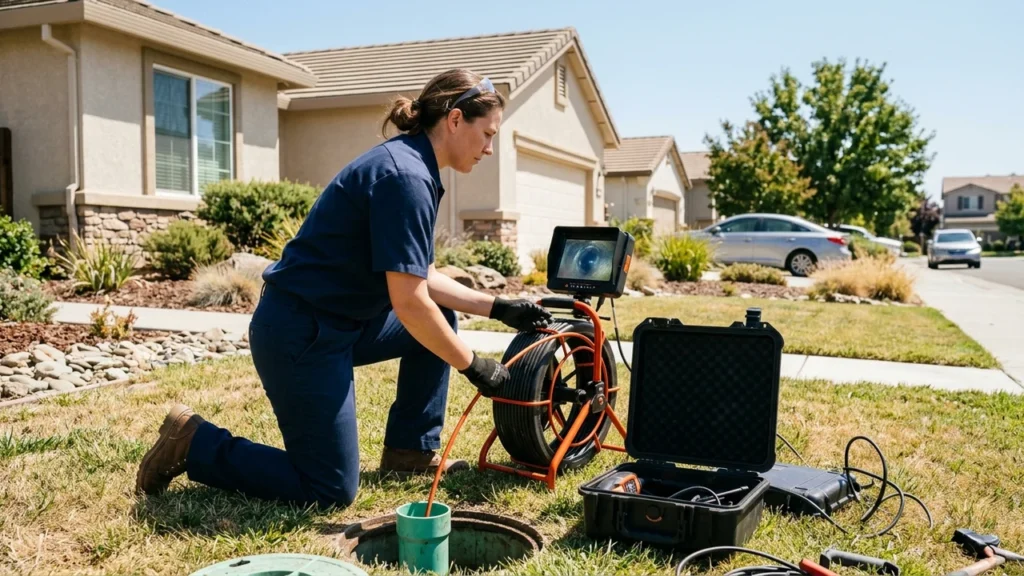
For property owners in Pittsburg, California, underground sewer lines are out of sight and frequently out of mind – until gurgling drains, slow drainage, or an emergency sewage backup occurs. Because residential sewer lateral lines lie buried three to eight feet beneath landscaped lawns, concrete patios, and driveways, diagnosing underground pipe failures without direct visual […]