
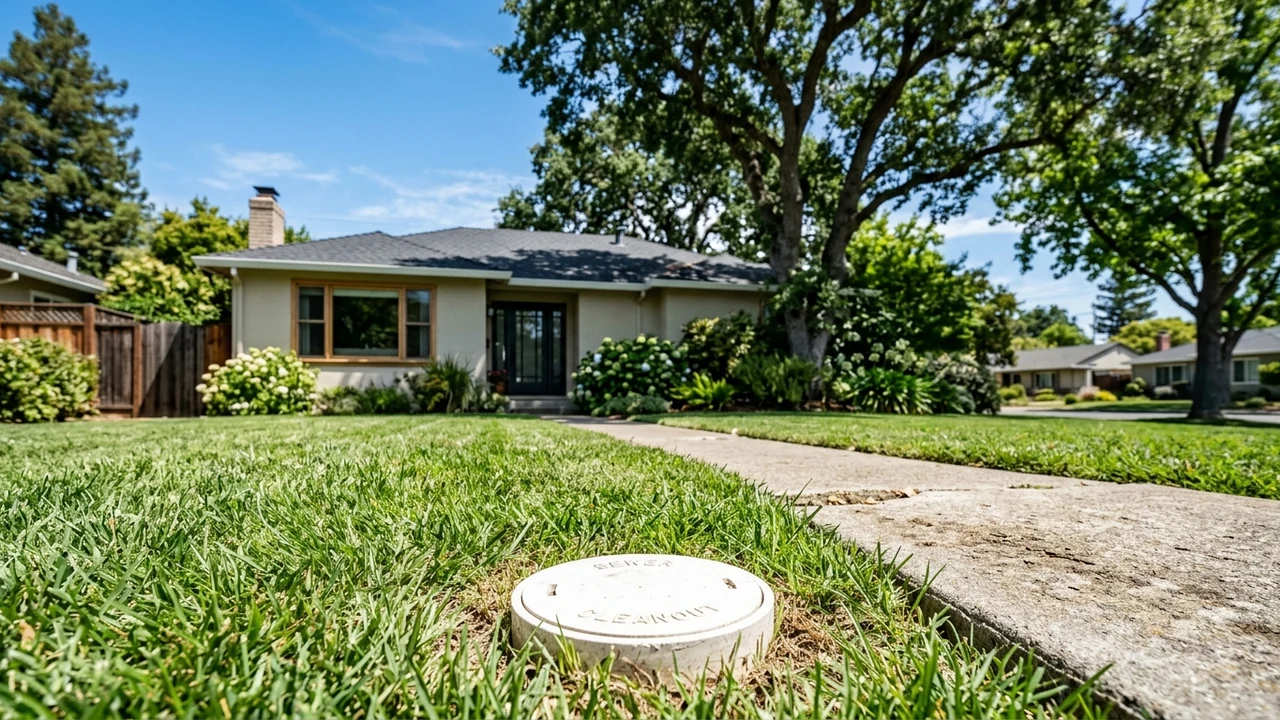
Tree roots enter sewer lines through tiny cracks, loose joints, and old pipe gaps. They are drawn to the warm water and nutrients inside. Once inside, roots grow into thick clumps that block flow, cause slow drains, and crack pipes. Fixing the problem usually means hydro jetting, cutting the roots, or replacing the damaged line.
If you live in Pittsburg, California, this is not a rare story. It is a normal Tuesday. Our warm weather, clay-heavy soil, and older homes make tree roots and sewer lines a bad match. I have pulled roots out of pipes here for years, and the pattern almost never changes. A small problem today turns into a flooded yard and a big bill tomorrow. So let’s walk through it together, step by step, in plain words.
Understanding How Tree Roots Affect Sewer Lines and Drainage Systems
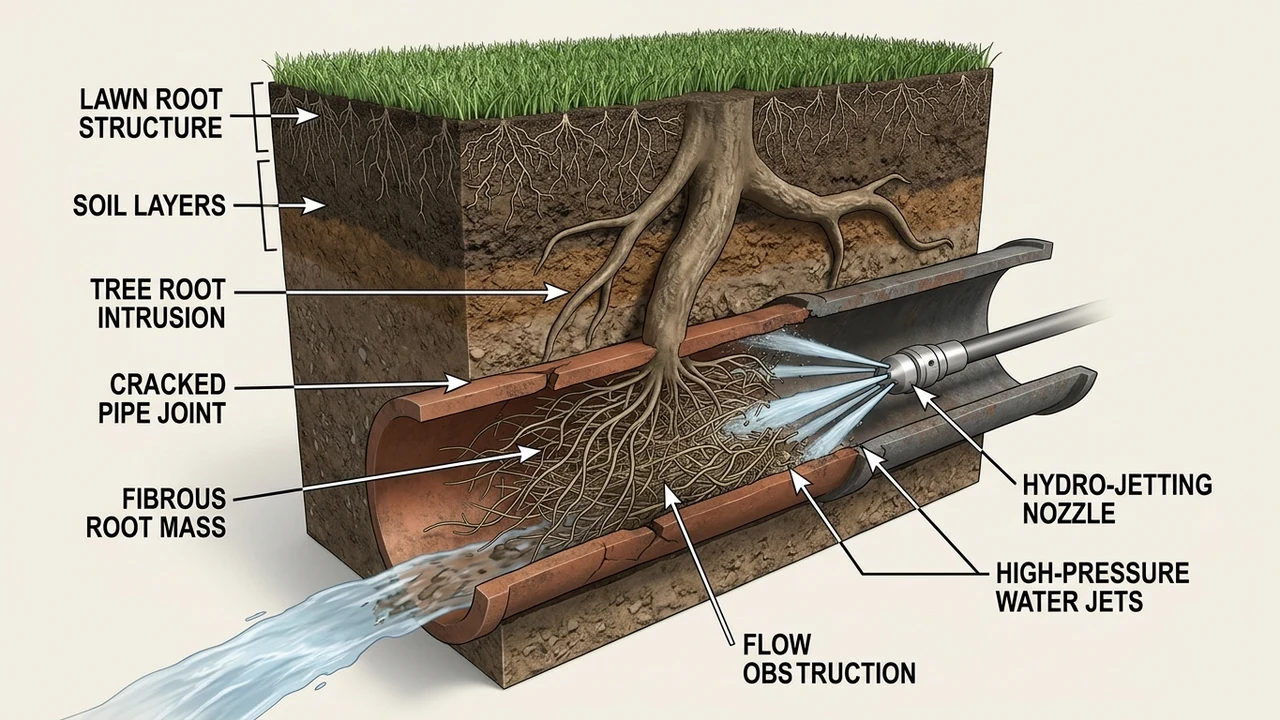
Most homeowners think roots break into pipes by force. That is not what happens. Roots are patient. They slip through the smallest opening they can find, and then they grow. A sewer line is like a warm, wet highway under your yard. It carries water, waste, and nutrients. To a thirsty tree, that is a free meal. So the roots follow the water and push into any weak spot.
Core Principles and How It Happens
Pipes settle over time. Joints loosen. Hairline cracks appear. That is all a tree root needs. A single root hair, thinner than a thread, squeezes in. Once inside, it grows fat and sends out more roots. These roots catch waste, paper, and grease. The mix turns into a thick mat. Now your drainage slows down, and the pipe starts to clog. In my professional experience, I have found that most root problems start small and stay hidden for years. You only notice when the damage is already done.
Key Terms You Should Know
Before we go further, let me explain a few words in simple terms. A sewer line is the big pipe that carries dirty water from your home to the main city line. Drainage means how water flows away from your sinks, showers, and toilets. Hydro jetting is a strong water spray that scours the inside of a pipe. A sewer camera is a tiny video camera we send down the line to see the problem. Once you know these words, the rest of this guide will feel easy.
Why This Matters: The Real Cost of Ignoring Tree Roots
I remember a job in Pittsburg where a family ignored a slow drain for months. Honestly, they just thought it was normal. Then one rainy week, the line backed up and flooded their whole side yard. The repair cost far more than a simple cleaning would have. That is the pattern I see again and again. Roots do not wait, and they do not go away on their own. Every week you wait, the roots get thicker and the damage gets worse.
Small problems quietly grow into big ones here. A slow sink becomes a gurgling toilet. A gurgling sound becomes an unpleasant smell. That smell becomes raw sewage in your yard. It is a chain, and each link costs more money. In our experience helping hundreds of local homes, we have found that early calls save roughly half the total cost compared to emergency repairs. Bold numbers like that matter, because they show why speed is your friend.
| Warning Sign | What It Usually Means | Simple Next Step |
|---|---|---|
| Slow drains in many rooms | Roots blocking the main line | Camera inspection |
| Gurgling toilet or sink | Air trapped by a blockage | Call a plumber |
| Wet spots in the yard | Cracked or broken pipe | Line repair |
| Bad smells near drains | Waste stuck on roots | Hydro jetting |
How Tree Roots Get In and Grow: The Core Framework
I have seen this pattern many times in my work. First, a tree finds a weak joint. Second, fine roots slip inside. Third, they eat the nutrients in the water and grow fast. Fourth, the growing roots grab paper and waste. Fifth, the flow slows and pressure builds. Sixth, the pipe cracks under the strain. That is the whole story in six steps. Once you understand it, you can see why cutting a root alone rarely fixes things for good.
Older homes in Pittsburg often have clay or cast iron pipes. These materials are strong, but they do crack. Newer lines use plastic, which flexes and resists roots better. The tree does not care about your budget. It only cares about water. That is why some trees are more susceptible to causing trouble than others. Willows, ficus, maples, and oaks are the usual suspects here. Their roots travel far, and they love moisture.
| Pipe Material | Root Risk | Typical Lifespan |
|---|---|---|
| Clay | High | 50-60 years |
| Cast Iron | High | 50-75 years |
| PVC Plastic | Low | 50+ years |
| Orangeburg | Very High | 30-50 years |
Step-by-Step: What to Do When Tree Roots Attack
This is the part people care about most, so let me keep it simple. You do not need to panic, and you do not need to dig up your whole yard. We solve this with tools and a plan. The goal is to find the problem, clear it, and protect the line so it stays clear. Let’s break it into two phases. Each phase has clear steps you can follow.
Phase 1: Discovery, Audit, and Preparation
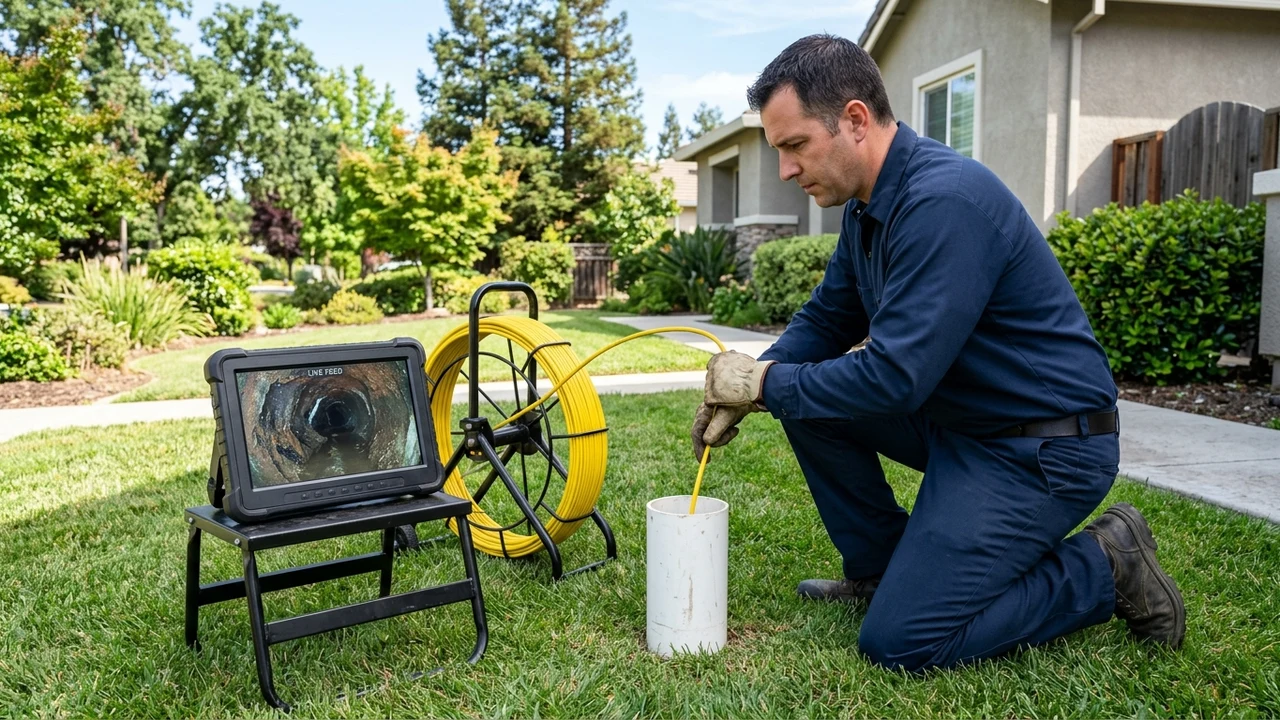
Step one is finding out what is really going on. A sewer camera inspection lets us see inside the line without digging. We look for roots, cracks, and blockages, and we mark exactly where they sit. This step saves time and money, because guessing is expensive. In our experience running thousands of these scans, the camera finds a problem that a homeowner did not expect about 40% of the time. That number is why we never skip it.
Next, we write a simple plan. We decide if the line can be cleaned or if it needs a repair. We check the tree location and how close it sits to the sewer line. We also check the pressure and flow. If the damage is small, cleaning may be enough. If the pipe is crushed, we plan for a bigger fix. Good prep turns a scary job into a calm, clear one.
Phase 2: Execution, Optimization, and Scale
This is where the work happens. For mild roots, hydro jetting scours the inside of the pipe and washes the mess away. It uses high-pressure water to cut roots and clear waste in one pass. For tougher clogs, a cutting tool shaves the roots back to the pipe wall. If the pipe is badly cracked, trenchless sewer repair fixes the line from the inside, so we do not tear up your lawn.
Then we protect the line so roots stay out. Sometimes that means removing the wrong tree, and sometimes it means a barrier. We help you keep the roots away with simple habits too. Never pour grease down the drain. Flushing only the right things keeps the line clear. These small steps add up. The funny part is, most people spend more on coffee each month than on the tiny habits that save their plumbing.
Common Mistakes and Misunderstandings
I have handled calls just like this before, and one big mistake stands out. People pour store-bought root killer down the toilet and think the job is done. That is like putting a bandage on a broken arm. Some products only slow roots, and many can harm your pipes or the good bacteria in your sewer system. Using them the wrong way can even create a bigger, harder clog. Please ask a plumber before you pour anything down a drain.
Another common myth is that a tree must be cut down to stop the problem. That is often false. Sometimes the roots have traveled far from the trunk, so the tree is not even the main cause. The truth is, you have to find where the roots enter before you decide anything. I have saved many healthy trees by fixing just the pipe. So please, search for the real cause first, then act. That one habit will save you money and heartache.
How to Measure Success and Spot the Signs Early
Once the work is done, you want proof it worked. That is fair, and it is easy to check. We send the camera back down the line and compare the before and after. A clear, smooth pipe with steady flow means success. You can also watch your home. If your drains run fast and your toilet stops gurgling, you are in good shape. Keep an eye on your yard too. A dry yard with no wet spots is exactly what you want.
If you want to stay ahead of trouble, watch for the early signs I listed above. Slow drains, bad smells, and wet grass are your warning lights. Catching these early is the cheapest path you will ever get. It keeps your home safe and your property in good shape. If something feels off, do not wait. A quick sewer camera inspection tells you the truth in minutes, and it helps you avoid a nasty surprise.
In Pittsburg, the weather is dry most of the year, so roots keep hunting for water. That makes our area a prime spot for these issues. The good news is that these problems are very fixable. With the right tools and a smart plan, your sewer can stay clear for years. If your sewer line is acting up, contact us for sewer line repair and we can take a look together.
Frequently Asked Questions
How fast do tree roots grow back in sewer pipes?
Roots can regrow fast. In warm, wet soil, new growth can return within a single season. Thin roots may refill a cleaned pipe in as little as 6 to 12 months. That is why a one-time cleaning is not a full fix. Most homes need a yearly check, or a barrier, to stop tree roots for good.
Who is legally responsible for damage caused by tree roots?
This depends on where the tree sits and where the damage happens. If the tree is on your property, you usually handle the repair. If it sits on a neighbor’s land or a city strip, it may be their job. Local rules vary, so check with the city of Pittsburg before you spend money. A plumber can help you find where the fault sits.
How can I prevent tree roots from getting into my sewer pipes?
You can prevent tree roots in a few simple ways. Plant new trees far from the sewer line. Choose slow-growing types with smaller roots. Use a barrier or a mesh sleeve near old pipes. Never pour grease down a drain. And book a sewer camera inspection once a year so you catch small problems early.
How long does it take copper sulfate to dissolve roots?
Copper sulfate does not fully dissolve roots. It mainly slows them down and kills small root tips over 2 to 4 weeks. It will not clear a thick root mass inside a pipe. Many older plumbing systems are susceptible to pipe damage from these products too. For a severe blockage, hydro jetting or a cutting tool works far better and faster.
Conclusion
Tree roots and sewer lines are a tough pair, but you are not helpless. The key is to find the problem early, clear it the right way, and protect the pipe afterward. A simple camera scan, a good cleaning, and a few smart habits can save you thousands of dollars. In a dry town like Pittsburg, roots are always hunting for water, so staying ahead of them truly matters.
According to the U.S. Environmental Protection Agency, aging and cracked pipes are a leading cause of sewer backups in older neighborhoods. A study from the U.S. Forest Service also notes that tree roots can travel well beyond the tree’s canopy in search of moisture. These findings match exactly what I see on the job here in Pittsburg. Old pipes plus thirsty trees equal trouble, plain and simple.
So here is my honest take. Most guides tell you to kill the tree. I do not agree. In most cases, you can save the tree and fix the line at the same time. If you need a sewer check or a pipe repair, contact us at A1 Phoenix Plumbing. We can find the root of the issue and help you choose the best fix for your home.
