
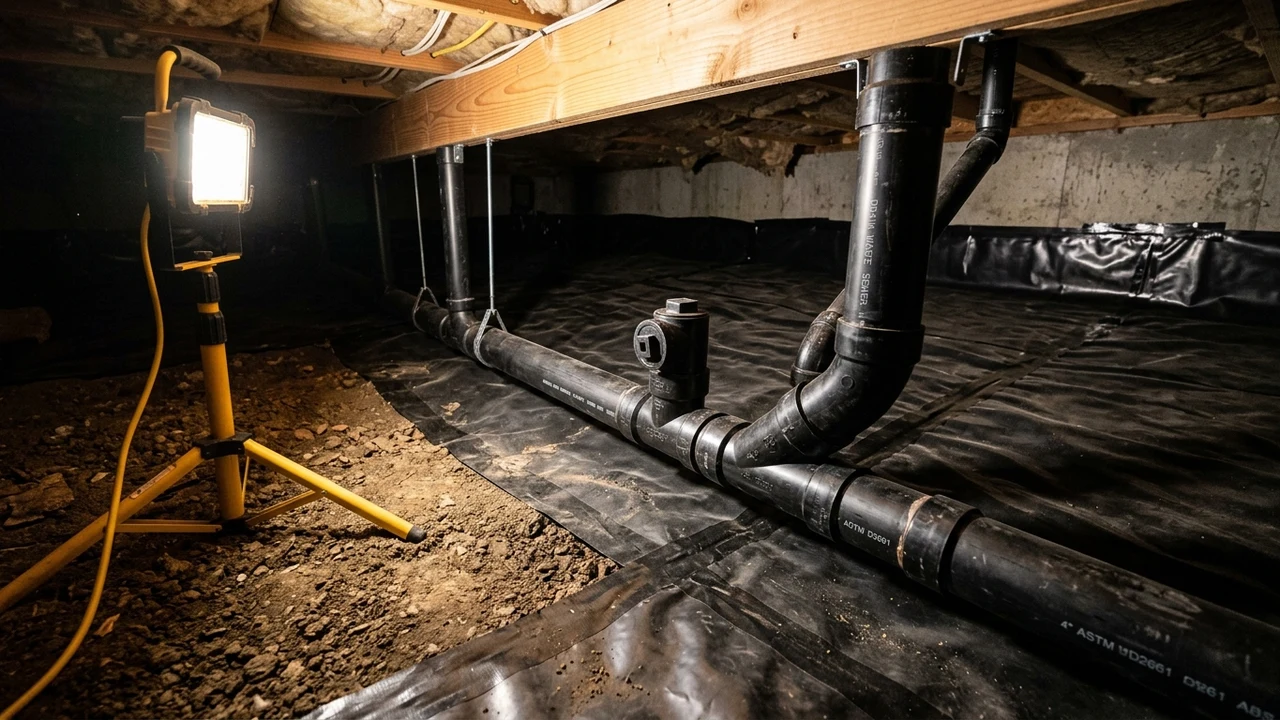
Sewer line repair fixes one damaged section of pipe, often with trenchless methods and little digging. Sewer replacement swaps the whole line when pipes are old or badly broken. The better option depends on the pipe’s age, the amount of damage, and how much of the sewer line is affected.
Here’s the thing. A slow drain you can live with for a day. A broken sewer line is a whole different problem. If you own a home in Pittsburg, California, you may face one big question someday: should you fix the pipe, or replace the full line? I’ve walked many homeowners through this exact choice. Let me make it simple, step by step, so you can pick with confidence.
Sewer Line Repair vs Replacement: The Basics
Let’s start simple. Your sewer line is the main pipe that carries all the dirty water out of your house. Most sewer lines run from your home to the city sewer main under the street. When this pipe breaks, waste can back up into sinks, tubs, and floors. That is never fun. So you really have two main paths: a sewer line repair, or a full sewer replacement.
Both paths share the same goal, which is a pipe that works. But they are not the same in cost, time, or mess. A small crack is not the same as a pipe that has failed from end to end. The right call depends on what the pipe looks like inside. And the only way to know that for sure is to look.
The Core Idea Behind Each Option
Repair means we fix only the damaged part of the pipe. We leave the healthy parts alone. A spot repair can often fix a single break, a small crack, or one bad joint. In many cases this is done in about 1 day, with very little digging. Less mess, less money, less stress for you.
Replacement means we put in a whole new line. We take out the old pipe and lay a fresh one, so we replace the entire line. This makes sense when the pipe is old, cracked in many spots, or crushed. A pipe that is more than 50 years old and failing in several places is usually past the point of small fixes.
Here is a quick look at common pipe types and how long they tend to last.
| Pipe Material | Where You See It | Typical Lifespan |
|---|---|---|
| PVC (white plastic) | Newer homes | Up to 100 years |
| Cast iron | Mid-century homes | 50 to 75 years |
| Clay (vitrified) | Older homes | 50 to 60 years |
| Orangeburg (tar paper) | Post-war homes | 30 to 50 years |
Essential Sewer Terms Made Simple
Before we go deeper, let me explain a few words you will hear. These are the essential terms, in plain English, so nothing feels confusing later. Keep this little list handy as you read.
- Trenchless repair – fixing the pipe with little or no digging.
- Pipe lining – a new pipe formed inside the old one, like a sleeve.
- Pipe bursting – breaking the old pipe while pulling a new pipe through.
- Excavation – digging a trench in the ground to reach the pipe.
- Camera inspection – a small camera on a cable sent down the line to find the damage.
- Sewer main – the big city pipe that your line connects to.
Why the Right Choice Matters for Your Property
In my professional experience, the biggest mistake I see is rushing this choice. I’ve handled cases where a homeowner paid for a full replacement when a simple repair would have done the job just fine. That is money lost for no reason. The right repair approach protects both your wallet and your property.
Picking the right option matters for three big reasons: cost, your yard, and your health. A wrong guess can add thousands in extra costs. It can also tear up a driveway or lawn you worked hard on. A small sewer problem today can also become a big one fast, so timing counts too.
What You Gain Right Away
The right method saves you time and a huge mess. Modern trenchless work often needs just 1 or 2 small access holes, not a long open trench. That means your driveway, garden, and walkways usually stay in one piece. For many homes, the whole job wraps up in about 1 day.
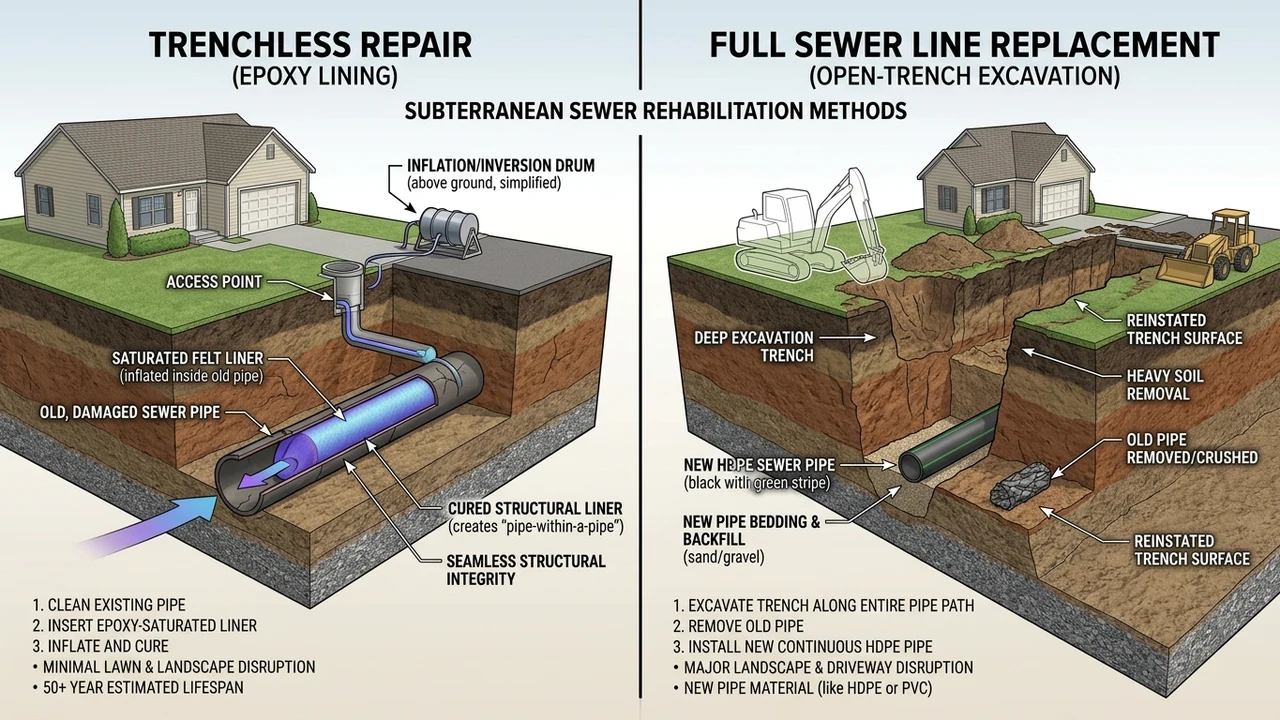
You also skip the chaos of a torn-up yard. Fewer holes means less soil to haul away and less to put back. In my experience, homeowners are shocked at how clean trenchless work can be. You keep your weekend, and your yard stays yours.
Long-Term Value and Cost Savings
A smart fix is not just about today. A good repair will last for decades when it is done right. Many trenchless liners are rated to last around 50 years, which is as long as a brand-new pipe. So you are not trading a cheap fix now for a bigger bill later.
Over time, the right choice also keeps repeat problems away. One solid repair beats five small patches that keep failing. If you fix the real cause, you stop paying again and again. That is where the long-term costs really drop, and your home holds its value.
How Sewer Line Repair Methods Work: Trenchless vs Traditional
There are two main methods to fix a sewer: trenchless and traditional digging. Trenchless sewer repair has grown popular for a reason, but each method has its time and place. The best method depends on how bad the damage is, how deep the pipe sits, and what is on top of it. If you want to see your options up close, our team can explain trenchless sewer repair in plain terms.
The goal of every repair method is the same: a pipe that flows and does not leak. But how we get there changes a lot of things, like time, cost, and how torn up your yard gets. Let me break down both so the choice feels clear.
Trenchless Pipe Lining and Pipe Bursting
Trenchless repair fixes the pipe with almost no digging. With pipe lining, we push a soft, resin-soaked sleeve into the old pipe and harden it in place. It forms a new pipe inside the old one. No big trench, just 1 or 2 small access points.
Pipe bursting is the other trenchless trick. We pull a cone-shaped head through the old pipe, which breaks it outward. At the same time, a new pipe follows right behind it. This works well when the old pipe is too far gone to line but you still want to skip a long trench.
Traditional Open-Trench Excavation
Sometimes you just have to dig. Traditional excavation means we open a trench to reach the pipe, fix or replace it, then fill the hole back in. Sewer lines often sit 3 to 6 feet underground, and some run deeper. The deeper the pipe, the more digging and excavation work it takes.
This method is the old standard, and it still has its place. It fits when a pipe has collapsed, when the slope is wrong, or when roots have wrecked a long run. The downside is clear. It can take several days, and it may tear up driveways, patios, or a nice lawn.
| Factor | Trenchless | Traditional Digging |
|---|---|---|
| Digging needed | 1 to 2 small holes | Full open trench |
| Time to finish | Often about 1 day | 2 to 5 days |
| Yard and driveways | Mostly untouched | Often torn up |
| Best for | Cracks, leaks, lining | Collapsed or sloped pipes |
Step-by-Step: From Inspection to a Fixed Sewer Line
I’ve seen this pattern many times in my work: skip the camera, and you guess wrong. A broken sewer is not just a mess; it is a health matter too. The U.S. Centers for Disease Control and Prevention points to raw sewage as a real source of germs that can make people sick. So acting fast, and acting smart, both matter.
The process is not scary once you see it laid out. It moves from finding the problem to fixing it, with clear steps. Here is how a good sewer repair crew handles it from start to finish.
Phase 1: Camera Inspection and Access Check
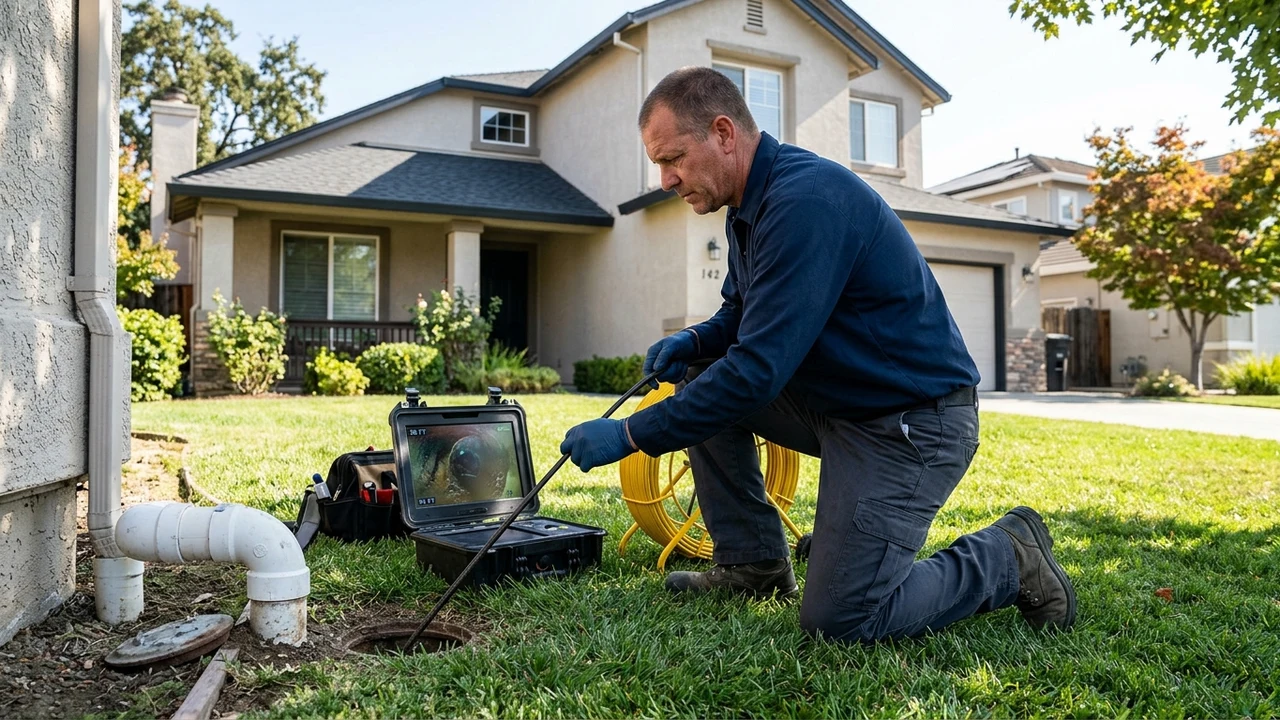
First, we look inside. A sewer camera inspection sends a small camera down the line to find the exact spot and type of damage. This one step saves you from blind digging. It shows if the problem is one bad section or the full line.
Next, we check access. We find the best access points and look at what sits on the surface above the pipe. Is there a driveway, a big tree, or a slab? These details decide if trenchless will work or if we need to dig. Getting this right up front saves time and money later.
Phase 2: The Repair Work With Less Disruption
Now the real work starts. Based on the camera, we pick the repair method that causes the less mess for your home. If the pipe can be lined, we line it. If it must be replaced, we burst it or dig only where we must. The aim is simple: fix it well with the least disruption to your day.
After the fix, we test the line to make sure it flows clean. A final camera pass confirms the repair holds. Then we clean up and leave your property close to how we found it. In most trenchless jobs, there is very little to put back.
The Key Factors That Decide Repair or Replacement
So, what really decides the better answer? A few clear factors do most of the work. Aging pipes are a national issue, and the U.S. Environmental Protection Agency has long flagged old sewer pipes and root intrusion as common reasons lines fail across the country. Your pipe’s own story decides the plan.
Here are the main things we weigh before we pick a path. Each one pushes the choice toward a repair or toward a full replacement.
- Age of the pipe – A line near the end of its life is a better fit for replacement.
- How much is damaged – When damage is under about 20% to 30% of the line, a repair often wins.
- Pipe material – Brittle clay or old cast iron may crack again, which favors replacement.
- Depth and location – Deep pipes under driveways push you toward trenchless.
- Tree roots – Roots in one joint can be cut and lined; roots along the whole run mean replacement.
- Local codes – For example, Pittsburg and Contra Costa County permits can shape the plan.
Here is a simple way to see which path fits your pipe.
| Choose Repair When… | Choose Replacement When… |
|---|---|
| Damage is in one short section | The pipe fails in many spots |
| The pipe is still fairly young | The pipe is past 50 years old |
| A crack, leak, or one bad joint | The line has collapsed or sagged |
| Roots hit one spot | Roots have wrecked the whole run |
If roots are your main headache, a round of hydro jetting can clear them before we decide. This high-pressure wash blasts roots and gunk out of the pipe. Then we run the camera again to see what is left. And if you want a straight answer on a fix, our sewer line repair team can lay out your real choices. No pressure, just facts.
Common Mistakes and Myths to Avoid
I’ve handled cases exactly like this before, so let me save you some pain. The myths around sewer repair cost people real money. Honestly, a few bad ideas pop up again and again. Let me clear them up fast.
- “Trenchless never works on old pipes.” Not true. Lining and bursting work on many old lines, as long as the pipe is not fully crushed.
- “A backup is no big deal.” It is. Waste water in your home is a health risk, and it can damage floors fast.
- “Repair is always cheaper.” Often, yes. But five patches on a dying pipe can cost more than one replacement.
- “All quotes are the same.” They are not. A quote without a camera inspection is just a guess.
- “I can wait a year.” Small leaks grow. A tiny crack can turn into a collapsed line that floods your yard.
If waste is already backing up, do not wait it out. That is an emergency plumbing problem, and fast action limits the damage. Water sitting in your home can ruin floors and drywall in hours. I have seen a $300 fix turn into a much bigger bill because someone waited too long.
The Bottom Line for Pittsburg Homeowners
So, repair or replace? The honest answer is: it depends on your pipe, not on a rule of thumb. If the damage sits in one section and the pipe has life left, a repair is often the smart, low-cost path. If the line is old, crushed, or failing all over, a full replacement saves you from repeat headaches.
For many older homes in Pittsburg, clay and cast iron pipes plus thirsty tree roots make this a common question. The good news is that trenchless methods now make fixes faster and cleaner than they were years ago. A solid fix also protects your property value for the long run. You do not have to lose your whole yard to fix a pipe.
If you are not sure which path fits your home, let’s take a look together. Our sewer repair service can run a camera, show you what is really going on, and give you honest options. We will tell you if a repair is enough, or if replacement is the smarter call. You can reach out to our team whenever you are ready.
Frequently Asked Questions
How long does trenchless sewer repair last?
Trenchless repairs are built to last a long time. Most cured-in-place liners are rated for around 50 years, which is close to a brand-new pipe. The exact life depends on soil, pipe use, and how well the job was done. Done right, a trenchless fix can easily outlast your time in the home.
How do you decide if you should repair or replace a sewer line?
You look inside first, then weigh a few factors. Check the pipe’s age, how much of the line is damaged, the pipe material, and the depth. If damage sits in one short section and the pipe is still strong enough, repair usually wins. If the pipe is old or broken in many places, replacement is the better answer.
How much does it cost to replace a cast iron sewer line?
Costs vary a lot, so be careful with any flat number you see online. Price depends on the length, the depth, and how hard the pipe is to reach. For many homes, a full cast iron sewer line swap can run from a few thousand dollars up to $10,000 or more for long or deep runs. The only way to get a real number is a camera inspection and a written quote.
What is the best way to repair a broken sewer pipe?
The best way depends on the break. For a small crack or one bad joint, trenchless pipe lining is often the top pick, since it needs little digging. For a collapsed pipe, pipe bursting or open-trench work may be needed. A camera inspection first is the real secret, because it shows the exact fix your pipe needs.
What are the warning signs of a damaged sewer line?
Your home will usually warn you. Watch for slow drains in the whole house, gurgling toilets, bad smells in the yard, or soggy patches on the lawn. Sewage backing up into tubs or floor drains is the loudest sign of all. If you spot these, get a camera inspection before the problem grows.
