
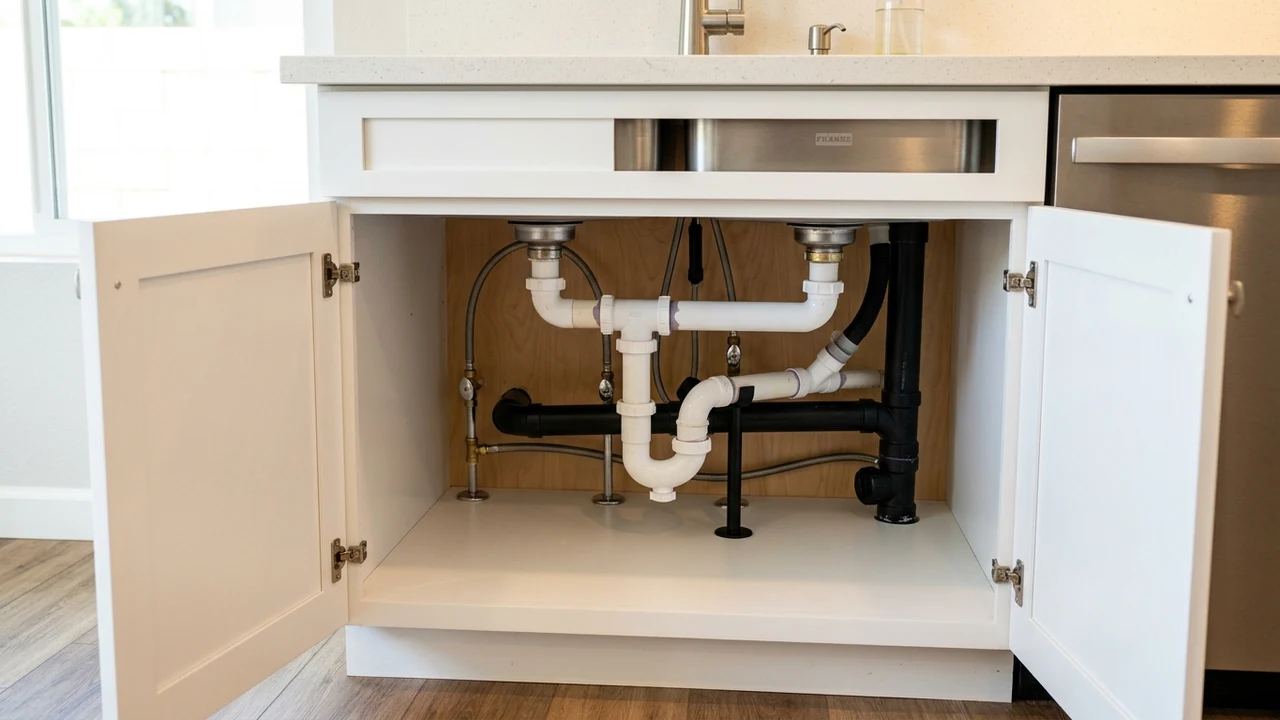
Drains keep clogging after being cleared because the real cause stays behind. A quick snaking opens the drain, but it leaves grease, buildup, tree roots, or a damaged pipe inside your pipes. Water flows fine for a while. Then the clogs come back. Fixing the true cause is what finally stops the cycle.
What’s Really Happening When Your Drains Keep Clogging
Let me tell you something most people get wrong. A cleared drain is not the same as a fixed drain. When a plumber runs a snake through a clogged line, the tool punches a hole through the mess. Water starts moving again. It feels solved. But the sticky layer coating the inside of your pipes is still there, and it starts catching debris all over again.
This is why so many homes in Pittsburg deal with the same drain problem month after month. The clog was cleared, not removed. Think of it like wiping a greasy pan with a dry paper towel. You move the grease around, but the pan is still greasy. Your pipe works the same way when only the center gets opened.
Here is the part that surprises folks. In the homes we inspect, roughly 8 out of 10 repeat clogs trace back to one thing left behind after the last cleaning. The water finds the leftover gunk, slows down, and the whole mess builds up again. So the question is not “how do I clear it,” but “what keeps causing it.”
The Simple Reason a Cleared Drain Clogs Again
A snake makes a small tunnel. That is all. The water rushes through that tunnel for a few weeks and everything seems normal. Meanwhile, the coating on the pipe walls keeps grabbing hair, food, and soap. Slowly the tunnel shrinks. Then you are right back to a slow, clogged sink.
Real cleaning is different from clearing. Clearing opens a path. Cleaning scrubs the full width of the pipe so the inside is truly clear. When only the middle gets opened, the clog returns fast. That gap between “clear” and “clean” is the whole story behind repeat problems.
Words You’ll Hear a Plumber Use
Plumbers throw around terms that can sound confusing. Here are the simple meanings so you know what is going on inside your pipes. Knowing these words helps you talk to any professional with confidence.
- Buildup: The sticky layer of grease, soap, and gunk stuck to the pipe walls.
- Sewer line: The big main pipe that carries waste from your home to the city system.
- Root intrusion: Tree roots that grow into a cracked pipe and block the flow.
- Belly: A low, sagging spot in a pipe where water and debris sit and collect.
- Hydro jetting: High-pressure water used to scrub the full pipe, not just poke a hole.
Why This Problem Matters More Than You Think
In my years working on drains across the East Bay, I’ve found that a small repeat clog is almost never small underneath. It is an early warning. Homeowners who ignore a slow drain for six months often end up with a backed-up sewer line and a much bigger bill. What starts as a slow kitchen sink can turn into water on the floor.
A repeat drain problem costs you more than money. It costs peace of mind. You stop trusting your own sink. You pour chemicals in, wait, and hope. That stress adds up, and it is fixable. Catching the real cause early can save you from a repair that runs several times higher than a simple cleaning.
Water damage is the quiet threat here. When drains back up inside walls, moisture gets into wood and drywall. Mold can start in as little as 24 to 48 hours in a damp spot. So a nagging clog is not just annoying. Left alone, it can hurt the home itself.
What You Save by Fixing the Real Cause
Fixing the true cause once beats clearing the same drain four times a year. The math is simple. Four quick clearings add up fast, and you still have the problem. One proper fix ends it. In our experience, homeowners who fix the source instead of the symptom cut their yearly plumbing calls by more than half.
There is a time savings too. No more waiting for water to drain while you brush your teeth. No more standing in ankle-deep shower water. A drain that truly flows gives you back small moments every single day. Those small wins matter more than people expect.
The Long-Term Payoff for Your Home
Your pipes are meant to last for decades. Clean pipes with good flow last far longer than pipes coated in grease and scale. When you protect the inside of your plumbing, you protect the value of your home. Buyers notice a house that drains well and smells fresh.
A well-kept drain system also lowers the odds of an emergency. Emergencies always cost more. A planned drain cleaning on your schedule is cheaper and calmer than a 2 a.m. backup. Taking care of the problem now is an investment that keeps paying you back for years.
How Drain Clogs Actually Form: The Full Picture
Most repeat clogs come from a short list of causes. Once you know them, the mystery goes away. Your drain is not haunted. Something real is blocking it, and that something usually falls into one of the buckets below. Let’s walk through each one in plain language.
Here is a quick map of the most common causes we find and the signs that point to each. Match your symptom to the likely cause before you spend a dime.
| Common Cause | What You Notice | Where It Happens |
|---|---|---|
| Grease and soap buildup | Slow drain, bad smell | Kitchen sink, shower |
| Hair and debris | Water pools, then drains slow | Shower, bathroom sink |
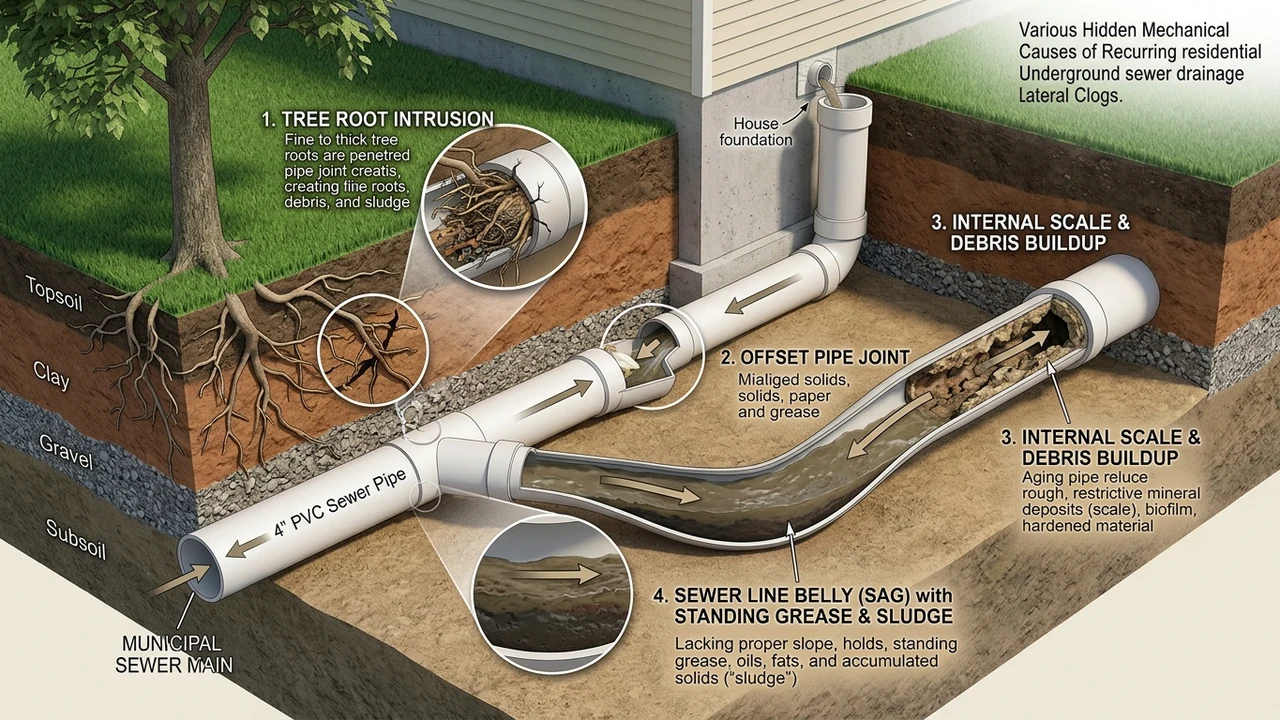
| Root intrusion | Gurgling, multiple drains slow | Sewer line in the yard |
| Hard water scale | Low flow everywhere | Whole home |
| Broken or bellied pipe | Repeat clogs, no clear reason | Underground line |
Grease and Soap Buildup in Kitchen Pipes
Grease is the number one villain. It goes down warm and liquid, then cools and hardens inside the pipe. Soap scum joins it and glues food bits to the walls. Over time this buildup narrows the pipe until barely any water gets through. It is the classic kitchen drain killer.
The scale of this is bigger than most people think. According to the U.S. Environmental Protection Agency, grease from restaurants, homes, and other sources is the most common reason for reported sewer blockages, at about 47% (EPA National Pretreatment Program). Nearly half of all blockages come from grease alone. That is a huge share for one avoidable habit.
Cold water makes it worse, not better. Some folks run cold water while pouring grease, thinking it helps. It just hardens the fat faster. If your kitchen drain keeps clogging even after a clearing, leftover grease buildup is the first suspect I check. Scraping plates into the trash, not the sink, stops most of it.
Hair, Soap, and Everyday Debris
Bathroom drains face a different enemy. Hair binds with soap and grabs onto anything rough inside the pipe. One strand is nothing. A month of strands becomes a net. That net catches more debris until the water slows to a trickle and the drain clogs again.
A simple mesh strainer stops most of this. It is a small fix that saves a lot of grief. In the homes we service, a basic drain screen cuts hair clogs by roughly 70%. That is a big result for a part that costs a few dollars. Little habits keep the drain clear.
Tree Root Intrusion in the Sewer Line
Now we get to the sneaky one. Tree roots are drawn to the water and nutrients inside your sewer line. They do not usually break a healthy pipe. They slip in through cracks, loose joints, and weak spots that are already there. Once inside, the roots grow into a thick mat that traps everything.
This is the classic reason multiple drains clog at the same time. If your toilet gurgles when the washing machine runs, or several drains slow together, root intrusion jumps to the top of my list. A snake might cut a path through the roots, but they grow right back. The problem is the crack, not just the root.
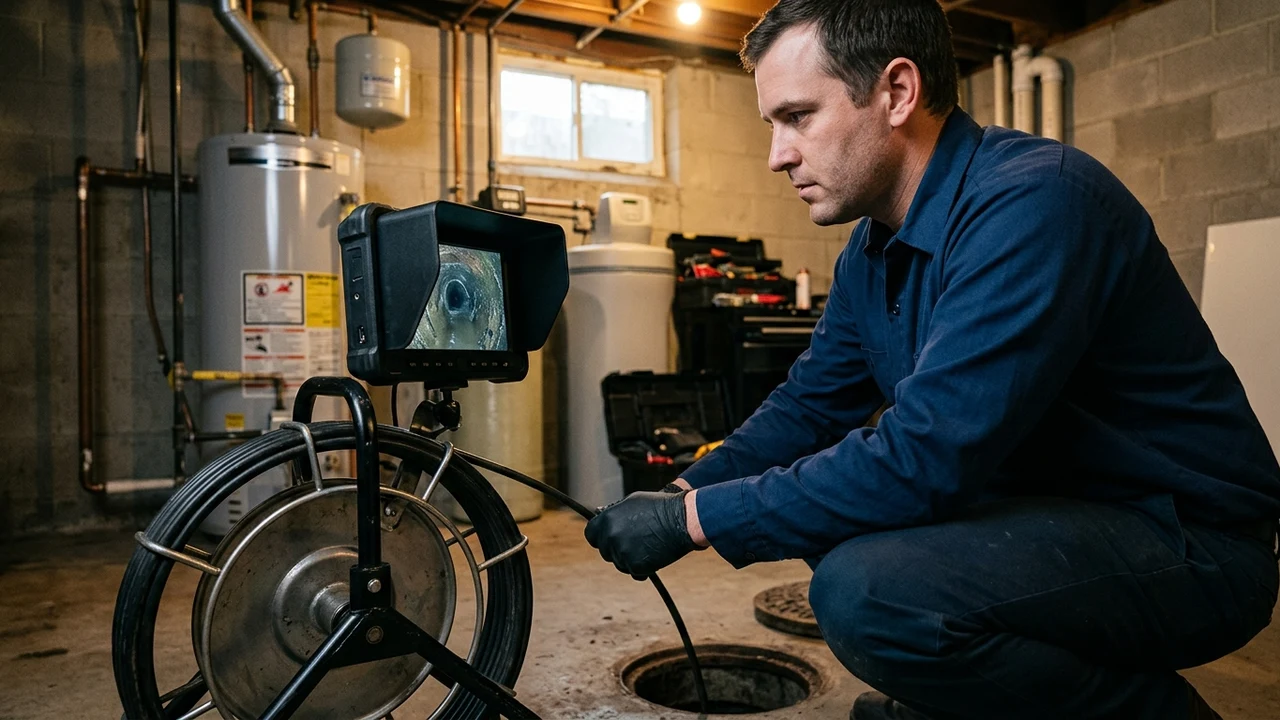
Older neighborhoods in Pittsburg with mature trees see this a lot. The only real way to confirm root intrusion is a camera inspection down the line. If your drain keeps clogging and you have big trees near the sewer line, let’s take a look together. A camera shows exactly where the roots got in.
Hard Water and Mineral Buildup Inside Pipes
Pittsburg sits in Contra Costa County, and our tap water leans hard. Hard water carries dissolved calcium and magnesium. As that water moves through your pipes, the minerals stick to the walls and form scale. This scale narrows the pipe from the inside and gives grease and debris more to cling to.
The U.S. Geological Survey classifies water by how many minerals it holds. Water above 180 mg/L is called “very hard” (USGS Water Science School). Much of the East Bay lands in the hard to very hard range. That constant mineral load speeds up buildup inside your home plumbing.
| USGS Hardness Level | Milligrams per Liter | What It Means for Pipes |
|---|---|---|
| Soft | 0 – 60 | Little to no scale |
| Moderately hard | 61 – 120 | Slow, light buildup |
| Hard | 121 – 180 | Noticeable scale inside pipes |
| Very hard | Over 180 | Fast scale, more clogs |
If scale keeps forming inside your pipes, a water check can point you to the right fix. Softer water means less buildup, and less buildup means fewer repeat clogs. It is a slow cause, but a real one.
Deeper Problems: Bellied or Broken Pipes
Sometimes the pipe itself is the problem. A “belly” is a low, sagging section where the line dips. Water and waste pool in that dip instead of flowing away. That standing spot collects debris and clogs over and over, no matter how many times you clear it.
Broken or collapsed pipes do the same thing. Soil shifts, ground settles, and the pipe cracks or sags. This is the reason a drain can clog again just days after a cleaning. When nothing else explains a stubborn, repeating clog, a damaged pipe underground is often the hidden answer.
A Step-by-Step Way to Find and Fix a Drain That Keeps Clogging
I’ve handled cases exactly like this many times, and the fix always starts the same way: find the real cause before you touch a tool. Guessing wastes money. Homeowners who skip the finding step and jump straight to chemicals fix the problem less than 20% of the time, in what I’ve seen. Slow down and look first.
The plan below moves from finding the problem to fixing it for good. Follow it in order. Rushing past the first phase is the top mistake I see. A clear drain starts with a clear picture of what is wrong.
Phase 1: Look, Listen, and Check
Start by playing detective. Your drain gives you clues if you pay attention. Notice which drains are slow, and whether they slow together or alone. Listen for gurgling. Smell for sewer odors. These small signs tell a professional a lot about what is happening inside your pipes.
- One slow drain: Likely a local clog in that pipe (hair, grease, soap).
- Multiple drains slow at once: Points to the main sewer line.
- Gurgling toilet: Air trapped by a deeper block, often roots.
- Bad smell from the sink: Old buildup rotting inside the line.
- Backups after rain: Cracked pipe letting groundwater in.
Write down what you find. This short list saves time and helps any professional skip straight to the real cause. The goal here is simple. You want to know if this is a small local clog or a big sewer line issue before anyone starts work.
Phase 2: Clear It the Right Way and Keep It Clear
Once you know the cause, you can match the fix to the problem. A hair clog near the drain needs a different tool than roots deep in the sewer line. This is where a real drain cleaning beats a quick clearing. The idea is to scrub the whole pipe, not just poke a hole.
For tough or repeating clogs, a professional often uses a camera first, then hydro jetting. Hydro jetting blasts the pipe walls clean with high-pressure water. It removes the grease, scale, and buildup that a snake leaves behind. That full clean is why the drain stays clear far longer.
| DIY Clearing | Professional Drain Cleaning |
|---|---|
| Opens a small path | Scrubs the full pipe |
| Works for weeks | Lasts months or years |
| Can’t reach the sewer line | Reaches deep clogs and roots |
| No look inside | Camera finds the real cause |
| Clog often returns | Fixes the source |
If you have tried everything and the same drain keeps clogging, a professional drain cleaning with a camera is the honest next step. We can find what is really going on and clean it right the first time.
Common Mistakes That Make Clogs Worse
Here is a lesson I learned the hard way early in my career: the “quick fixes” people love often make things worse. Chemical drain cleaners are the biggest offender. They can eat away at older pipes and rubber seals. The EPA reports there are at least 23,000 to 75,000 sanitary sewer overflows in the U.S. each year, many tied to blockages and poor pipe care (EPA on SSOs). Harsh chemicals add to that problem.
The baking soda and vinegar trick is another myth. It fizzes and looks powerful. It is not. That foam cannot melt grease or push out a real clog. It is too weak and it only touches the spot right under the drain. You feel like you did something, but the buildup is still there.
Watch out for these habits that keep drains clogging:
- Pouring grease or oil down the kitchen sink.
- Using chemical cleaners again and again on the same drain.
- Flushing “flushable” wipes (they do not break down).
- Ignoring a slow drain until it fully backs up.
- Snaking a root problem instead of fixing the cracked pipe.
The wrong fix wastes money and time. Worse, it can hide the real cause while damage grows underground. If a home remedy has not worked twice, stop. The problem is deeper than a cleaner can reach, and it is time for a proper look.
How to Know It’s Working: Signs Your Drains Are Truly Clear
You do not need fancy tools to check your work. Your drain tells you if the fix held. In my experience, a truly clear pipe shows a few clear signs within the first week. Watch your water and trust what you see. These simple checks beat guessing every time.
Look for these green flags after a cleaning:
- Fast flow: Water drains in seconds, not minutes.
- No gurgle: Quiet pipes mean air moves freely.
- No smell: Fresh drain means the buildup is gone.
- Full swirl: The sink empties with a strong, clean swirl.
- Multiple drains work: Everything flows, not just one drain.
Keep a simple record. Note the date of your last drain cleaning and how the water flows each week. If you catch a slow-down early, you fix it small instead of big. A good rule I share with homeowners: if a drain slows two weeks in a row, check it before it clogs. Early action keeps the problem tiny.
When to Call a Professional in Pittsburg
Some jobs are yours, and some need a pro. If one sink is slow, a plunger or strainer may do it. But if multiple drains back up, if water comes up in odd places, or if the same drain keeps clogging month after month, that is a sewer line or pipe issue. Those need a professional drain camera and real gear.
Root problems and broken pipes cannot be fixed with store products. A professional inspection finds the exact spot and depth of the problem. That saves you from digging blind or paying for the wrong fix. If you are in Pittsburg and the same drain clogs again and again, we can help. A proper drain cleaning and camera inspection will show what is really going on.
Trust your gut here. If a clog feels bigger than a plunger can handle, it usually is. Calling a professional early is not giving up. It is smart. You get a clear answer and a real fix instead of another temporary patch that fails in a month.
Frequently Asked Questions
Why do my drains keep getting clogged?
Your drains keep clogging because the real cause was never removed, only cleared. Leftover grease, soap buildup, hair, tree roots, or a damaged pipe stays inside and catches new debris. Hard water in Pittsburg speeds up scale buildup too. Fix the source, and the repeat clogs stop.
My drain is still blocked even after using drain cleaner. What should I do?
Stop using more cleaner. Chemical drain cleaners often push the clog deeper or damage the pipe, and they rarely reach a sewer line block. If it is still blocked, the problem is likely roots, a belly, or heavy buildup. A professional camera inspection finds it, and hydro jetting cleans the full pipe.
Why should you never use baking soda and vinegar to unclog a drain?
The fizzing reaction looks strong but it is weak. It cannot melt grease or move a real clog, and it only reaches the area right under the drain. On older metal pipes, the acid can even wear down seals over time. For a true fix, you need heat, pressure, or a professional drain cleaning.
Why is my shower drain backing up even though it’s not clogged?
A shower drain can back up without a local clog when the block is deeper in the sewer line. When the main line is slow, water from other drains rises up through the lowest point, often the shower. Root intrusion or a bellied pipe is a common cause. This is a sign to check the whole system, not just the shower.
How often should I have my drains professionally cleaned?
For most homes, a professional drain cleaning every 18 to 24 months keeps pipes clear and stops repeat clogs. Homes with big trees near the sewer line, older pipes, or heavy kitchen use may need it yearly. Regular cleaning is cheaper than an emergency backup, and it protects your home from water damage.
Final Thoughts
A drain that keeps clogging is trying to tell you something. The last cleaning cleared a path, but it did not remove the real cause. Whether it is grease, roots, hard water scale, or a broken pipe, the fix is the same idea: find the source and clean the whole line, not just the middle.
You have the clues now. Watch which drains slow, listen for gurgles, and stop reaching for harsh cleaners that only hide the problem. A little attention early saves a lot of money later. Your pipes will thank you, and so will your home.
If you live in Pittsburg and the same drain keeps clogging no matter what you try, do not keep guessing. A camera inspection and a real professional drain cleaning will end the cycle for good.
