
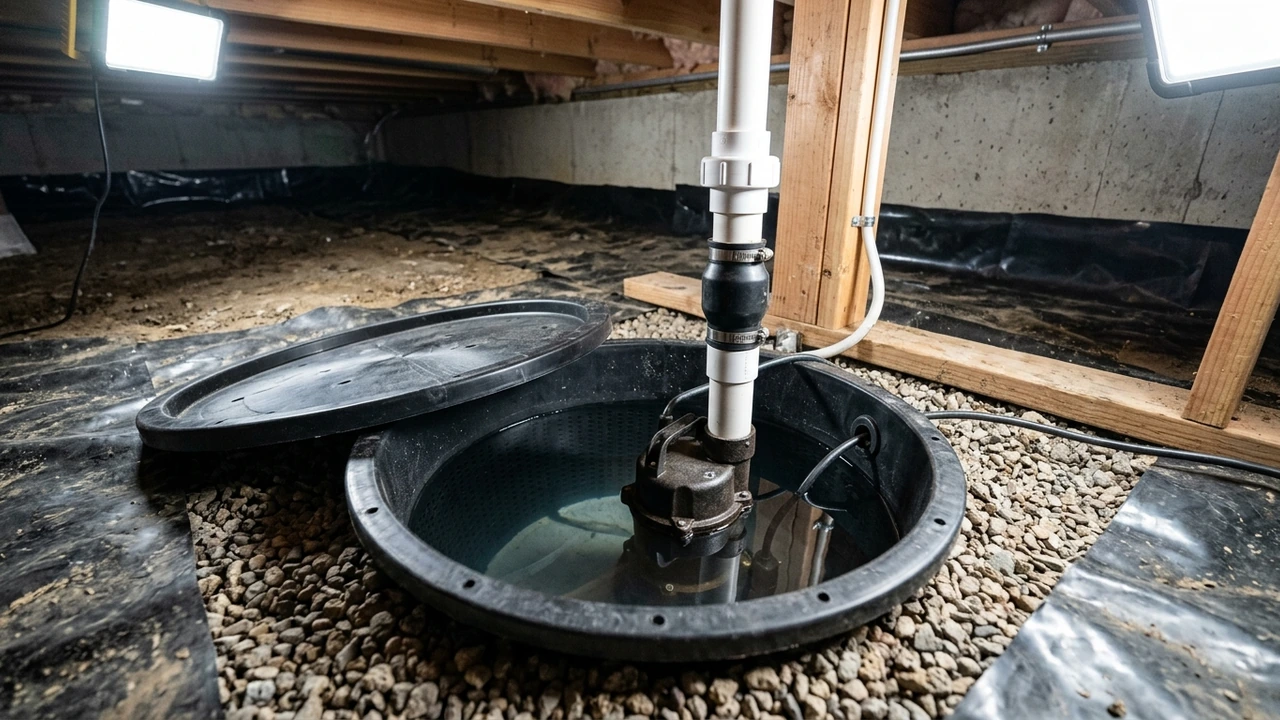
For homeowners in Pittsburg, CA and throughout East Contra Costa County, a reliable sump pump is the primary defense against localized flooding, elevated water tables, and subgrade foundation moisture. With proximity to the Sacramento – San Joaquin River Delta and dense clay soil profiles common across Pittsburg, Antioch, and Oakley, groundwater infiltration during winter atmospheric storms can rapidly inundate crawlspaces and basements.
How Sump Pump Systems Protect Pittsburg Homes
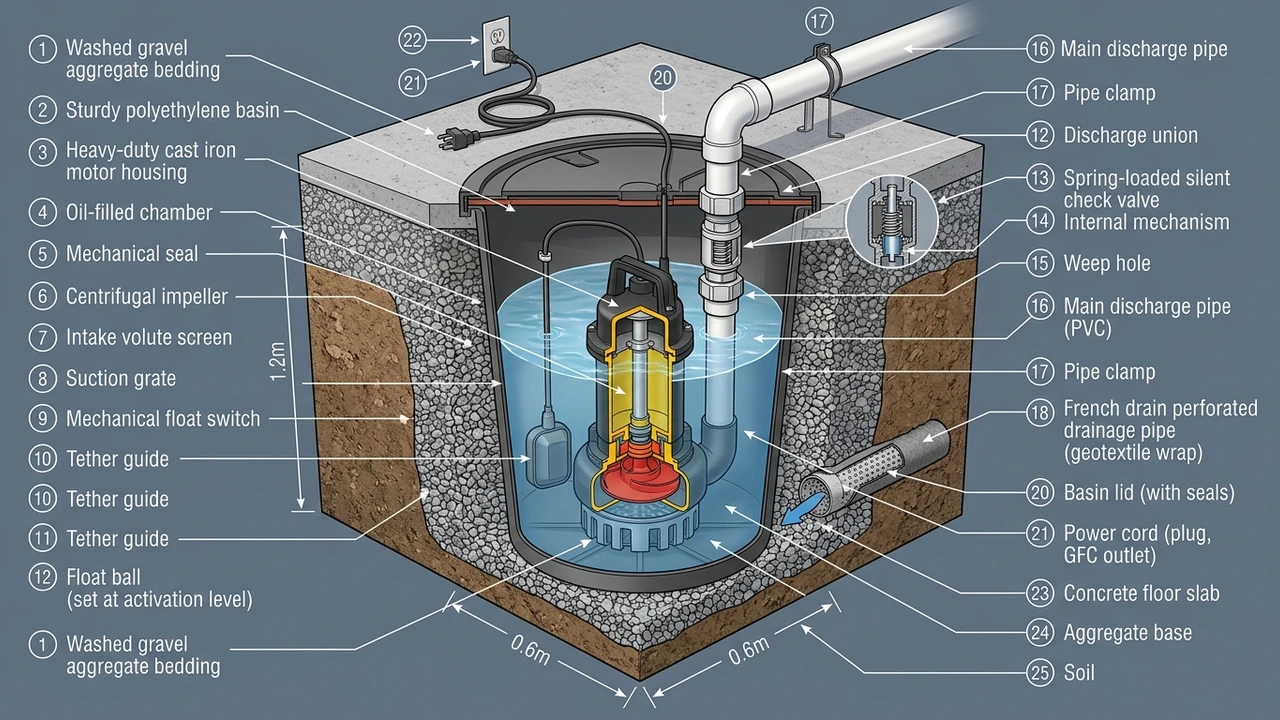
A residential sump pump system consists of a submerged basin (crock), a high-torque mechanical pump, an integrated float switch, and a dedicated PVC discharge line equipped with a backflow-preventing check valve. When seasonal rain saturates Contra Costa clay soils, water migrates toward the subgrade perimeter foundation drains and collects inside the sump pit. Once water reaches a calibrated trigger depth, the float switch activates the impeller, expelling hundreds of gallons of water away from your foundation.
When any mechanical or electrical component within this assembly begins to degrade, drainage performance declines precipitously. Recognizing early performance red flags enables homeowners to schedule professional diagnostic repairs before an emergency overflow results in structural drywall rot, electrical panel hazards, and black mold colonization.
Critical Warning Signs That Demand Professional Sump Pump Diagnosis
Sump pumps rarely fail without exhibiting noticeable behavioral symptoms. Licensed plumbing technicians evaluate the following high-priority diagnostic indicators:
1. Excessive Mechanical Noise or Grinding Vibrations
While a hum during active pumping cycles is standard, loud rattling, screeching, or grinding sounds indicate severe internal wear. Rattling typically suggests that gravel, silt, or construction debris has entered the basin and impacted the impeller blades. Squealing and grinding, conversely, indicate worn motor shaft bearings or motor misalignment, signaling that mechanical seizure is imminent.
2. Continuous Running or Inability to Shut Off
If your sump pump runs nonstop even after water levels in the basin have subsided, the unit faces rapid motor burnout. The most frequent culprit is a jammed mechanical float switch that has caught on the basin wall, or an improperly calibrated electronic pressure switch. Alternatively, if the pump lacks sufficient horsepower to overcome discharge head pressure, it will run continuously without moving water effectively.
3. Frequent Short-Cycling
Short-cycling occurs when the pump activates, runs for a brief few seconds, shuts off, and immediately restarts. This behavior indicates either an improperly positioned float switch trigger or a failed check valve. When a check valve fails, discharged water in the vertical pipe flows backward into the crock when the motor shuts off, causing the float to instantly rise again in a destructive endless cycle.
4. Basin Fills With Water But the Pump Does Not Engage
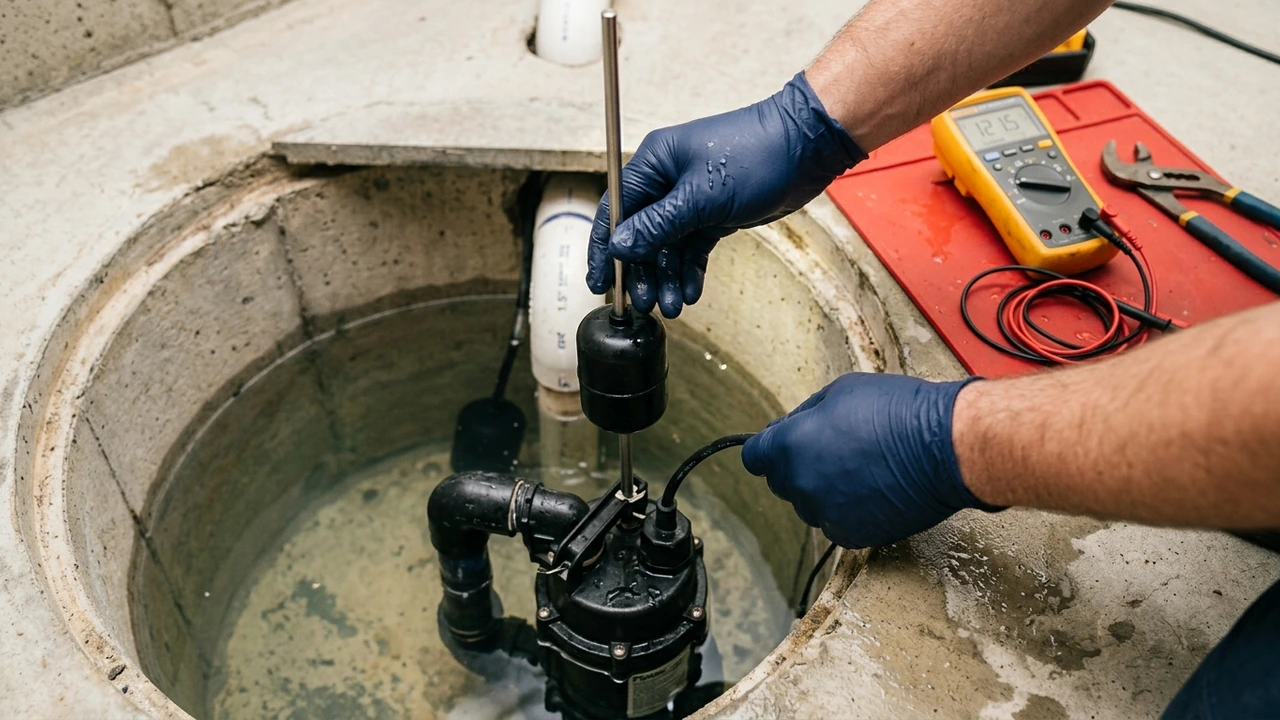
A rising water level inside the pit accompanied by silence is an emergency. This failure can result from a tripped GFCI circuit breaker, a jammed float switch, or complete motor burnout. Testing the manual override plug or float switch reveals whether electrical current is reaching the unit.
5. Irregular or Stuttering Pumping Cycles During Heavy Rains
During severe atmospheric river storm events in East Contra Costa County, the sump pump must move sustained volume. If the discharge stream at the exterior outlet is weak or intermittent, the impeller vanes may be heavily clogged with sediment or the exterior discharge piping may be obstructed by roots or garden mulch.
Diagnostic Troubleshooting Matrix: Causes and Solutions
| Symptom | Likely Root Cause | Technician Diagnostic & Repair |
|---|---|---|
| Continuous motor hum, zero pumping | Air lock or jammed impeller | Drill relief hole or clear debris |
| Rapid cycling on and off | Failed check valve or float position | Install brass check valve, re-anchor switch |
| Loud grinding / metal screeching | Seized motor bearing or debris strike | Replace motor assembly or pump core |
| Standing water in basin, no start | Float failure or electrical disconnect | Replace float switch, inspect dedicated GFCI |
| Foul stagnant odors from basin | Sediment sludge or dry trap | Deep-clean pit basin, sanitize with water flush |
Why Battery Backup Sump Systems Are Essential in Pittsburg, CA
Severe winter storms in Northern California frequently cause regional electrical grid interruptions. A standard alternating current (AC) sump pump becomes completely inoperative during a power outage, the exact moment when groundwater flooding risk is at its absolute peak. Professional plumbers strongly advise installing a secondary battery backup sump pump system equipped with a smart battery inverter and a dual-float monitoring sensor. If primary power drops or the primary pump fails under heavy load, the auxiliary 12-volt pump immediately engages, providing up to 48 hours of continuous flood defense.
When to Schedule Professional Sump Pump Service
Annual inspection before the onset of the California rainy season is the most reliable strategy to guarantee system integrity. A comprehensive professional evaluation includes testing the float switch action, cleaning sediment accumulation from the basin bottom, verifying check valve seal closure, testing flow rates through the exterior discharge line, and running an electrical amp-draw test on the motor.
Frequently Asked Questions
How long does a residential sump pump typically last?
Most submersible sump pumps have an operational lifespan of 7 to 10 years depending on frequency of use and groundwater sediment levels. Units operating in high-water-table areas near the Delta may require replacement sooner.
What causes a sump pump to develop an air lock?
An air lock occurs when air becomes trapped in the pump casing beneath the check valve, preventing water from reaching the spinning impeller. Licensed technicians prevent this by drilling an intentional 1/8-inch relief hole in the discharge pipe between the pump and check valve.
Can I test my sump pump myself?
Yes. Pour 5 gallons of clean water into the basin crock. The float switch should smoothly rise, trigger the motor, evacuate the water within 10 to 15 seconds, and shut off cleanly without cycling back on.
